How to Reduce Customs Clearance Delays in India in 2026

Customs clearance delays are one of the biggest challenges faced by importers and exporters in India. In 2026, with growing international trade and increasing cargo movement through major ports like JNPT, Mumbai Port, Mundra Port, Chennai Port, and various air cargo terminals, businesses are under constant pressure to ensure faster shipment delivery and smooth logistics operations.
However, even a small delay in customs clearance can affect the entire supply chain. Delayed shipments often lead to higher logistics costs, demurrage charges, detention fees, missed delivery deadlines, and customer dissatisfaction. For businesses involved in international trade, reducing customs clearance delays has become more important than ever.
Many importers and exporters face shipment delays because of incorrect documentation, compliance issues, delayed duty payments, cargo inspections, and port congestion. In many cases, businesses lose valuable time and money simply because they are not fully aware of customs procedures and regulatory requirements.
What Is Customs Clearance?
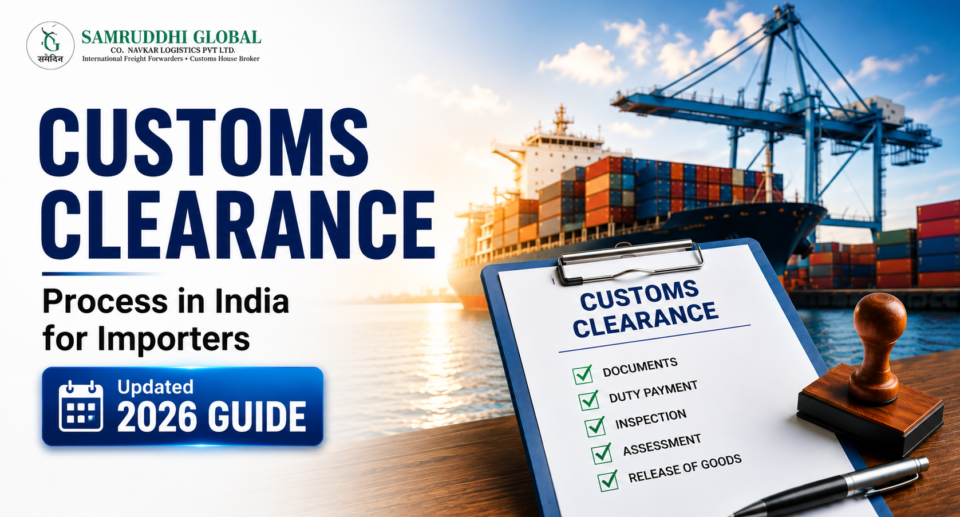
Customs clearance is the process of getting approval from the Indian Customs Department for imported or exported goods. Before cargo can enter or leave the country, customs authorities verify documents, assess duties, inspect shipments if required, and ensure compliance with government regulations.
The generally includes:
- Document verification
- Duty assessment
- Cargo examination
- Compliance checks
- Shipment release
If any issue is found during verification, the shipment may be delayed or placed on hold until the problem is resolved.
Efficient customs clearance is essential for businesses that depend on timely cargo delivery and smooth international trade operations.
Common Reasons for Customs Clearance Delays in India
Incorrect or Incomplete Documentation
One of the most common reasons for customs clearance delays is incorrect or incomplete documentation. Customs authorities carefully verify every document submitted during the clearance process.
Important shipping documents include:
- Commercial Invoice
- Packing List
- Bill of Entry
- Shipping Bill
- Bill of Lading
- IEC Code
- GST Details
If there is any mismatch in product description, quantity, invoice value, or consignee information, customs officers may raise queries or hold the shipment for further verification.
Even small errors can result in significant delays. Businesses using professional customs clearance services often reduce the risk of documentation mistakes because experienced professionals verify paperwork before submission.
Wrong HS Code Classification
HS Code classification plays an important role in customs clearance. Every product imported or exported has a specific Harmonized System (HS) Code used for duty calculation and regulatory classification.
Using the wrong HS Code can lead to:
- Incorrect duty calculation
- Additional cargo inspection
- Customs penalties
- Delayed shipment release
Incorrect classification is a common issue among new importers and exporters. Businesses should always ensure that products are classified correctly according to customs regulations.
Working with an experienced customs broker in Mumbai can help businesses avoid HS code-related problems and improve customs processing speed.
Delayed Duty Payment
Customs duties and taxes must be paid before shipments are released. If customs duty, IGST, or other applicable charges are delayed, cargo may remain stuck at ports or airports.
Late duty payment can increase:
- Storage charges
- Port handling fees
- Demurrage costs
- Delivery delays
Many businesses face unnecessary delays because they fail to calculate duties correctly or arrange timely payments. Professional customs brokers help businesses manage duty calculations and payment procedures efficiently.
Cargo Inspection Delays
Certain shipments are selected for physical examination by customs authorities. Inspection may depend on:
- Product category
- Country of origin
- Shipment value
- Compliance history
- Risk assessment
Products such as electronics, machinery, chemicals, food items, and pharmaceuticals are more likely to undergo detailed inspection.
If cargo packaging, labeling, or documentation does not match customs requirements, the inspection process may take longer. Proper shipment preparation helps reduce the chances of inspection-related delays.
Port Congestion
Port congestion has become a major issue at several Indian ports, especially high-volume terminals such as JNPT customs clearance facilities.
Heavy cargo traffic, vessel delays, labour shortages, and container backlogs often slow down shipment movement. During peak seasons, customs processing and container handling may take additional time.
Businesses can reduce the impact of port congestion by planning shipments in advance and coordinating closely with logistics partners.
Technical Issues in ICEGATE and Customs Systems
Most customs procedures in India are now digitally managed through ICEGATE and other online systems. While digital systems improve transparency and efficiency, technical issues can still create delays.
Common problems include:
- Server downtime
- E-filing errors
- Payment gateway failures
- E-Sanchit upload issues
Businesses should regularly monitor customs filing status and ensure all digital submissions are completed properly.
How to Reduce Customs Clearance Delays in India
Maintain Accurate Documentation
The first step to reducing customs delays is maintaining accurate and complete shipping documents.
Businesses should carefully verify:
- Invoice details
- Product descriptions
- HS codes
- GST information
- Quantity and packaging details
Well-prepared documents reduce customs queries and speed up the verification process.
Use Professional Customs Clearance Services
Experienced customs clearance services providers help businesses manage customs procedures professionally and efficiently.
Their services generally include:
- Documentation verification
- Customs filing
- Duty assessment
- Cargo coordination
- Compliance management
- Shipment tracking
Professional support helps businesses avoid costly mistakes and reduce shipment delays.
Hire Experienced CHA Services
Reliable CHA services Mumbai providers understand customs regulations, port procedures, and documentation requirements.
A Customs House Agent helps businesses by:
- Preparing shipping documents
- Coordinating with customs authorities
- Managing inspections
- Ensuring compliance
- Handling cargo release procedures
Using professional CHA services improves clearance efficiency and reduces operational stress for businesses.
Plan Shipments in Advance
Poor shipment planning often leads to avoidable customs delays.
Advance planning helps businesses:
- Prepare documents early
- Arrange duty payments on time
- Avoid last-minute errors
- Reduce the impact of port congestion
Businesses should also maintain proper coordination with shipping lines, freight forwarders, and customs agents before cargo arrival.
Use Correct HS Codes
Accurate product classification is extremely important for smooth customs clearance.
Wrong HS Codes may trigger:
- Duty disputes
- Customs queries
- Cargo inspection
- Shipment delays
Businesses should consult customs experts whenever there is confusion regarding product classification.
Track Shipments Regularly
Businesses should actively monitor:
- ICEGATE status
- Cargo movement
- Customs notifications
- Shipping schedules
Quick responses to customs queries can significantly reduce shipment processing time.
Work with Reliable Freight Forwarders
Professional freight forwarding services help businesses manage logistics operations efficiently.
Reliable freight forwarding companies assist with:
- Cargo movement
- Shipping schedules
- Documentation coordination
- Real-time shipment tracking
Efficient logistics coordination reduces delays and improves supply chain performance.
Impact of Customs Clearance Delays on Businesses
Customs delays can create serious operational and financial problems for businesses involved in international trade.
Common impacts include:
- Increased logistics costs
- Delayed customer deliveries
- Supply chain disruption
- Higher warehousing expenses
- Demurrage and detention charges
- Loss of customer trust
Industries such as retail, manufacturing, pharmaceuticals, electronics, and automotive sectors are especially affected by shipment delays because timely inventory movement is critical for operations.
Demurrage and Detention Charges Explained
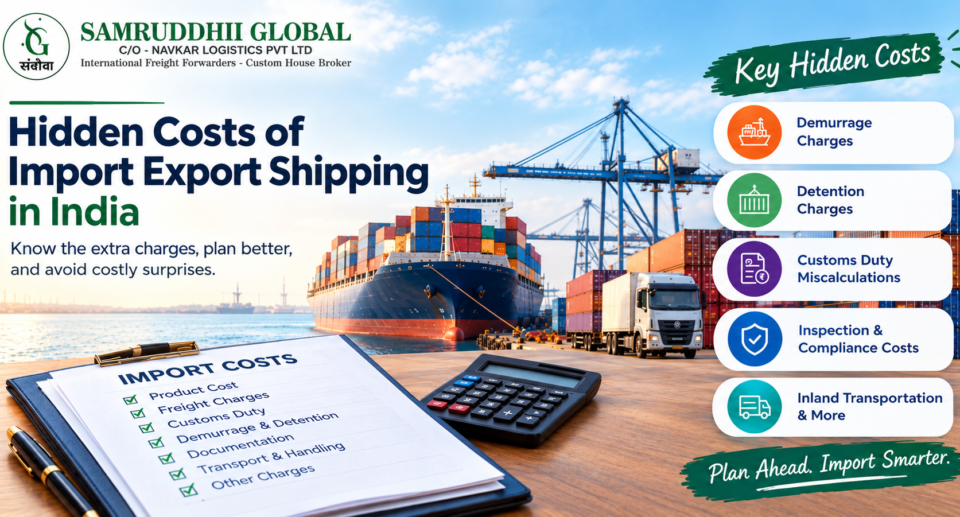
When cargo remains at the port beyond the free storage period, port authorities charge demurrage fees. Similarly, detention charges apply when containers are not returned to shipping lines within the allowed timeframe.
Customs delays often increase these additional charges and directly affect business profitability.
Reducing customs clearance delays helps businesses control logistics costs and improve operational efficiency.
Role of Technology in Customs Clearance
India’s customs and logistics industry is rapidly adopting digital systems and automation technologies in 2026.
Modern logistics companies now use:
- Automated documentation systems
- AI-based compliance monitoring
- Digital customs filing
- Real-time cargo tracking
Technology helps businesses:
- Reduce manual errors
- Improve shipment visibility
- Speed up customs processing
- Improve communication between stakeholders
Businesses adopting technology-driven logistics systems are better positioned to reduce customs delays and improve supply chain efficiency.
Importance of Customs Brokers
A professional customs broker in Mumbai plays an important role in ensuring smooth customs clearance.
Customs brokers help businesses with:
- Documentation filing
- Duty calculation
- Cargo coordination
- Customs communication
- Shipment release procedures
Experienced brokers understand changing customs regulations and help businesses maintain compliance while reducing shipment delays.
Important Tips for Importers and Exporters
Stay Updated with Customs Regulations
Indian customs rules and import-export policies are updated regularly. Businesses should monitor:
- DGFT notifications
- ICEGATE updates
- Customs circulars
- Trade policy changes
Staying updated helps businesses avoid compliance-related delays.
Maintain Proper Compliance Records
Businesses should keep organized records of:
- Shipping documents
- Invoices
- Licenses
- Previous shipment history
Strong compliance records reduce the chances of customs inspections and improve clearance speed.
Improve Coordination with Logistics Partners
Proper communication between:
- Importers
- Exporters
- Customs brokers
- Freight forwarders
- Shipping lines
helps businesses resolve issues quickly and avoid unnecessary shipment delays.
Conclusion
Customs clearance delays remain one of the biggest challenges for import-export businesses in India. Incorrect documentation, wrong HS codes, delayed duty payments, cargo inspections, technical issues, and port congestion are some of the most common reasons behind shipment delays.
However, businesses can significantly reduce delays by:
- Maintaining accurate documentation
- Using professional customs clearance services
- Hiring experienced CHA services Mumbai
- Planning shipments in advance
- Tracking cargo regularly
- Working with reliable logistics partners
Efficient customs clearance not only improves delivery timelines but also reduces logistics costs, improves customer satisfaction, and strengthens overall business operations.
As India’s international trade sector continues to grow in 2026, businesses that focus on efficient customs and logistics management will gain a strong competitive advantage in the global market.