Hidden Costs in International Shipping: What Every Importer Needs to Know


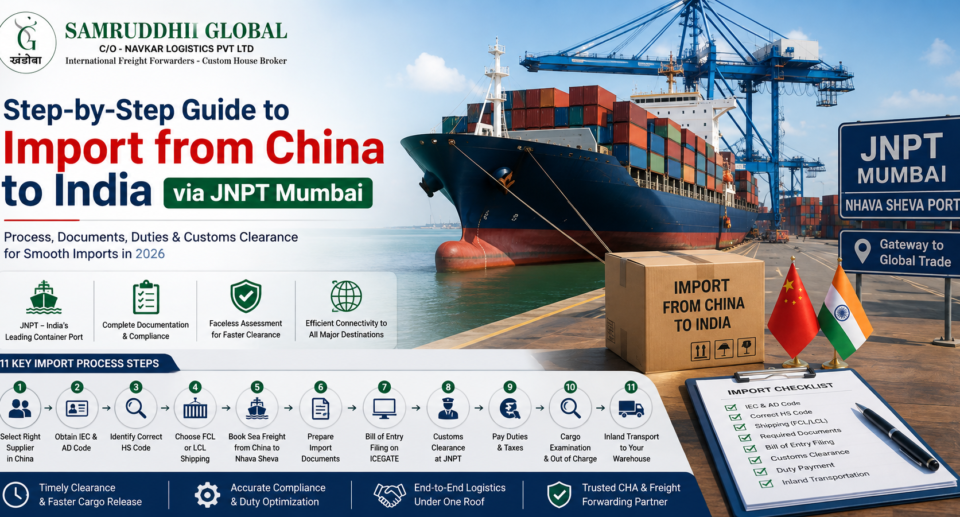
International trade has become an essential part of modern business. Companies across India regularly import raw materials, machinery, electronics, industrial equipment, consumer products, and various other goods from countries around the world. While importing products can help businesses access better quality goods, competitive pricing, and global markets, many importers often underestimate the true cost of international shipping.
While planning import expenses, many companies concentrate mainly on the cost of goods and transportation, often overlooking other associated charges. However, international shipping involves several additional expenses that are not always visible during the initial planning stage. These hidden costs can significantly increase the total landed cost of goods and impact profit margins.
Many importers only realize these expenses when their shipment reaches the port or customs clearance stage. By then, avoiding these costs becomes difficult, and businesses are forced to absorb unexpected charges. Understanding these hidden costs in advance can help importers make better decisions, improve financial planning, and avoid costly surprises.
Businesses that work with experienced Customs Clearance Services providers are often better positioned to identify and manage these expenses before they become major problems.
Understanding the True Cost of International Shipping
When a supplier provides a quotation for products, many importers assume that the quoted freight rate represents the majority of shipping expenses. In reality, international shipping involves multiple stakeholders, including shipping lines, freight forwarders, customs authorities, port operators, transport companies, insurance providers, and regulatory agencies.
Each stage of the shipping journey may involve additional fees and charges that contribute to the final landed cost of imported goods. Without proper planning, these expenses can reduce profitability, disrupt cash flow, and create operational challenges.
For example, an importer may budget only for product cost, freight charges, and customs duty. However, once the shipment arrives, additional charges such as storage fees, inspection costs, documentation amendments, inland transportation expenses, and compliance-related costs can quickly increase the total amount payable.
Understanding these hidden expenses is critical for building an efficient and profitable import strategy.
1. Demurrage Charges
Demurrage charges are among the most common hidden costs in international shipping. These charges occur when a container remains at the port or terminal beyond the free storage period provided by the shipping line or terminal operator.
For example, if a shipment arrives at a port but customs clearance is delayed due to documentation issues, inspections, or payment delays, the container may remain at the terminal longer than permitted. Daily demurrage fees are incurred once the free storage window has ended.
Depending on the shipping line and port regulations, these charges can increase rapidly. Importers often underestimate the impact of demurrage until they receive the final invoice.
The longer a shipment remains uncleared, the higher the cost becomes. In severe cases, demurrage charges can significantly affect the profitability of the imported goods.
To avoid demurrage charges, importers should prepare all documentation before shipment arrival, monitor cargo movement closely, and ensure prompt customs clearance through professional Import Customs Clearance Services.
2. Detention Charges
Detention charges are often confused with demurrage charges, but they apply in a different situation.
While demurrage applies when a container remains inside the port or terminal, detention charges occur after the container has been released from the port. If the importer fails to return the empty container to the shipping line within the allowed free period, detention fees are charged.
This situation commonly occurs when unloading operations are delayed, transportation schedules are disrupted, or warehouse capacity is limited.
Many importers fail to account for detention charges during budgeting, only discovering them after the container has exceeded the return deadline.
Partnering with reliable Freight Forwarding Services providers can help businesses coordinate container movement efficiently and reduce the risk of detention charges.
3. Customs Duty Miscalculations
Customs duty represents one of the largest expenses associated with importing goods. However, many businesses make mistakes when estimating duty costs.
Import duty depends on several factors, including:
- Product classification
- HS Code
- Product value
- Country of origin
- Applicable trade agreements
- Government regulations
An incorrect HS Code or inaccurate valuation can result in higher duty payments, reassessments, penalties, and customs disputes.
Accurate product classification is essential, as any error in the declared category may prompt Customs to reassess the shipment and levy additional duties or taxes. The importer may also be required to submit supporting documentation and undergo further verification.
Accurate product classification and valuation are essential for preventing unexpected customs costs.
4. Port Storage Charges
Port storage charges are another hidden expense that many businesses overlook.
When cargo remains at a port beyond the permitted free storage period, terminal operators may impose storage fees. These charges are separate from demurrage and are typically calculated based on the duration of cargo occupancy within the terminal.
Storage charges can arise due to:
- Delayed customs clearance
- Missing documentation
- Payment issues
- Regulatory inspections
- Operational delays
For large shipments, these charges can become substantial within a short period.
Businesses can significantly reduce storage costs by ensuring faster cargo clearance and implementing well-structured shipment planning processes.
5. Documentation Errors and Amendment Fees
Accurate and complete documentation is a key requirement for ensuring smooth and compliant international shipments. Even small documentation inaccuracies can cause delays and generate additional correction costs.
Common documentation errors include:
- Incorrect consignee information
- Product description mismatches
- Invoice discrepancies
- Missing certificates
- Quantity errors
- Weight inconsistencies
When mistakes are discovered after shipment dispatch, importers may need to request amendments. Shipping lines, freight providers, and customs authorities often charge fees for document corrections.
Documentation issues can also trigger customs inspections and prolong the clearance process.
Implementing a thorough document verification process before shipment departure can help businesses avoid these unnecessary costs.
6. Customs Inspection and Examination Costs
Customs authorities regularly conduct inspections to ensure compliance with import regulations.
Inspections may occur because of:
- Random selection
- Risk-based assessment
- Suspicious declarations
- Product-specific regulations
During an inspection, Customs officials verify that the goods match the information provided in shipping documents.
Additional procedures may include:
- Container scanning
- Physical cargo examination
- Laboratory testing
- Regulatory verification
These inspections can generate additional charges and extend clearance timelines.
Businesses that maintain accurate declarations and complete documentation are generally less likely to encounter costly inspection-related issues.
7. Compliance and Certification Expenses
Many imported products require regulatory approvals before they can be cleared by Indian Customs.
Examples include:
- BIS Certification
- WPC Approval
- FSSAI Registration
- LMPC Registration
- CDSCO Approval
Importers who fail to secure these approvals before shipment arrival may face delays, storage charges, penalties, and additional compliance expenses.
For instance, importing electronic products without the required certification may result in cargo being held until approval is obtained.
Professional Trade Compliance Services can help businesses understand regulatory requirements and secure necessary approvals before cargo reaches India.
8. Currency Exchange Fluctuations
International trade transactions are typically conducted in foreign currencies such as US Dollars, Euros, or Chinese Yuan.
Exchange rates can fluctuate significantly between the date an order is placed and the date payment is made.
Even a small change in currency value can affect overall import costs, especially for high-value shipments.
For example, if the Indian Rupee weakens against the US Dollar, the importer may end up paying more than originally budgeted.
Businesses that regularly import goods should monitor exchange rate trends and factor potential fluctuations into their financial planning.
9. Freight Rate Fluctuations
Freight rates are not fixed and can change due to several market conditions.
Factors affecting freight rates include:
- Fuel prices
- Global demand
- Port congestion
- Trade disruptions
- Peak shipping seasons
- Geopolitical events
During periods of high demand, freight rates can increase dramatically. Businesses that rely on outdated freight estimates may face unexpected transportation costs.
Obtaining multiple quotations and planning shipments in advance can help importers better manage freight-related risks.
10. Inland Transportation Costs
Many businesses focus on international freight expenses while overlooking transportation costs within India.
Once cargo clears customs, it must be transported from the port to its final destination, which may include warehouses, factories, distribution centers, or retail locations.
Common inland transportation expenses include:
- Trucking charges
- Fuel surcharges
- Toll fees
- Handling costs
- Loading and unloading charges
These expenses can become significant, particularly for shipments traveling long distances.
Integrated Logistics Solutions can help streamline transportation planning and reduce overall distribution costs.
11. Cargo Insurance Costs
Some importers attempt to reduce expenses by avoiding cargo insurance. However, this decision can create significant financial risks.
Cargo may be exposed to:
- Theft
- Damage
- Natural disasters
- Accidents
- Mishandling during transit
Without adequate insurance coverage, businesses may suffer substantial losses if goods are damaged or lost.
Cargo insurance provides financial protection and should be considered an important component of any international shipping strategy.
12. Regulatory Changes and Compliance Risks
International trade regulations are constantly evolving.
Governments frequently introduce changes related to:
- Product standards
- Import policies
- Customs procedures
- Documentation requirements
- Safety regulations
Businesses that fail to stay informed about these changes may encounter unexpected delays and additional compliance costs.
Remaining updated on regulatory developments is essential for avoiding disruptions and maintaining smooth import operations.
The Financial Impact of Hidden Shipping Costs
Many businesses calculate import costs using only three basic factors:
- Product Cost
- Freight Cost
- Customs Duty
However, the actual landed cost of imported goods is often much higher.
A complete landed cost calculation should include:
- Demurrage charges
- Detention charges
- Storage fees
- Customs inspection expenses
- Compliance costs
- Documentation fees
- Insurance costs
- Transportation charges
- Regulatory expenses
Ignoring these costs can result in inaccurate pricing strategies and reduced profit margins.
Businesses that understand their true landed cost are better equipped to make informed purchasing and pricing decisions.
How to Reduce Hidden Shipping Costs
Although some shipping expenses are unavoidable, many hidden costs can be minimized through proper planning and proactive management.
Maintain Accurate Documentation
Ensure all shipping documents are complete, accurate, and consistent before shipment dispatch.
Plan Compliance Requirements Early
Obtain all required certifications, licenses, and approvals before goods arrive in India.
Monitor Cargo Movement
Real-time shipment tracking allows businesses to respond quickly to delays and operational issues.
Verify Product Classification
Correct HS Code classification helps avoid customs disputes and duty reassessments.
Build a Contingency Budget
Set aside funds for unexpected expenses such as inspections, storage fees, and freight fluctuations.
Work with Industry Experts
Experienced Customs House Agent Services providers can help businesses navigate customs procedures, avoid compliance issues, and reduce clearance delays.
Why Professional Support Matters
International shipping has become increasingly complex due to evolving regulations, compliance requirements, and supply chain challenges.
Businesses that attempt to manage every aspect independently often encounter avoidable mistakes and unexpected expenses.
Professional logistics and customs experts can help businesses:
- Improve documentation accuracy
- Ensure regulatory compliance
- Reduce customs delays
- Manage freight costs
- Improve shipment visibility
- Optimize supply chain performance
Their expertise often results in significant long-term savings and smoother operations.
Conclusion
International shipping involves much more than simply transporting goods from one country to another. Hidden costs such as demurrage charges, detention fees, customs inspections, storage expenses, compliance requirements, freight fluctuations, and inland transportation costs can significantly impact the profitability of imported goods.
Many of these expenses can be reduced or avoided through proper planning, accurate documentation, regulatory compliance, and proactive shipment management. Businesses that understand the complete cost structure of international shipping are better positioned to make informed decisions, control expenses, and improve operational efficiency.
Whether you are a first-time importer or an established business, understanding hidden shipping costs is essential for maintaining a competitive advantage in today’s global marketplace. By investing in proper planning and professional expertise, businesses can reduce risks, improve supply chain performance, and achieve more predictable import operations.